


Celebrating the Triumph of Good over Evil
Meaning
- Vijayadashami = Vijaya (victory) + Dashami (10th day).
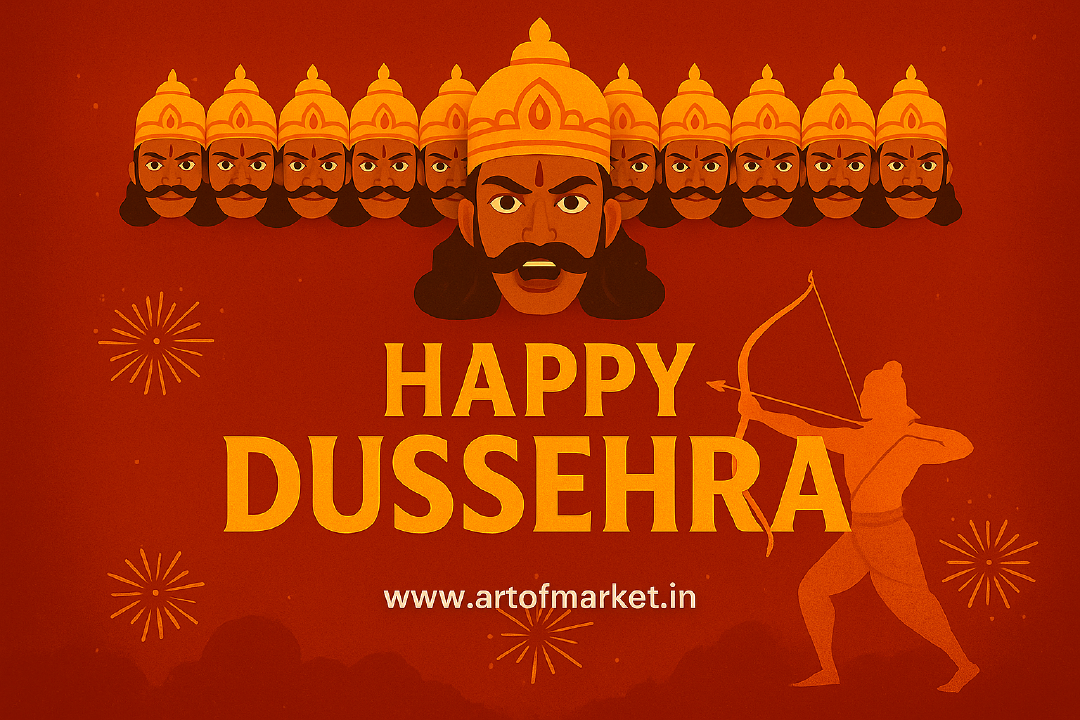
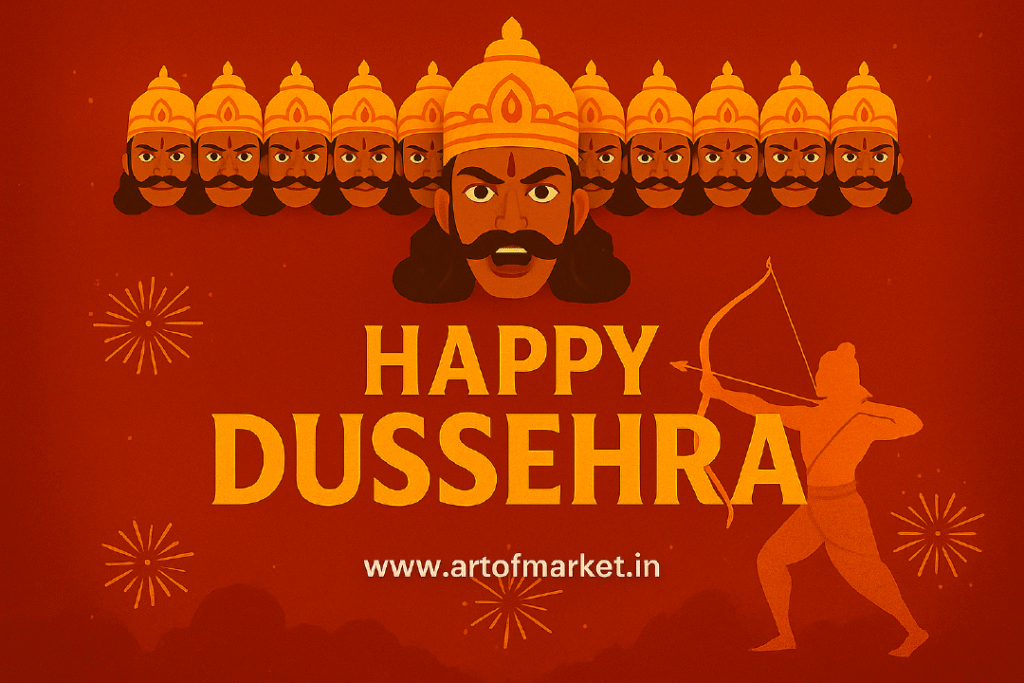
- Dussehra = Dus (ten) + Hara (defeat) → defeat of the 10-headed demon Ravana.
- Celebrated on the 10th day of Ashwin month (September–October) after Navratri’s nine nights.
- Symbolizes the victory of good over evil, truth over falsehood, and righteousness over unrighteousness.
📖 Mythological Significance
🌺 Goddess Durga & Mahishasura
According to Devi Mahatmya, Goddess Durga fought Mahishasura for 9 nights and killed him on the 10th day.
➡️ Vijayadashami celebrates this victory.
🏹 Lord Rama & Ravana
In the Ramayana, Lord Rama killed Ravana on Dashami and rescued Sita.
➡️ Dussehra marks Rama’s triumph.
🌾 Harvest & New Beginnings
In ancient times, Vijayadashami also marked the end of monsoon and the beginning of harvest season. Farmers worship tools, weapons, and books as a sign of respect.
🙏 Rituals & Traditions
- Visarjan: Immersion of Durga idols.
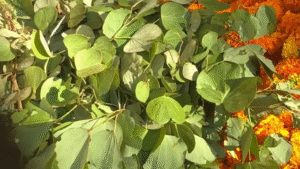
- Shami Tree Worship: Exchange of apta leaves as prosperity tokens.
- Ayudha Puja: Worship of tools, books & vehicles.
- Ramlila: Plays depicting Lord Rama’s life.
🌏 Regional Celebrations
- North India: Ramlila & burning of Ravana effigies.
- West Bengal & East India: Durga Visarjan, Sindoor Khela.
- Maharashtra: Exchange of apta leaves, Shami worship.
- South India: Ayudha Puja & Vidyarambham.
- Mysuru: Famous Mysuru Dasara procession.
- Nepal: Dashain festival, symbolizing Durga’s victory.
🌼 Symbolism
- The 10 heads of Ravana represent negative qualities like Lust, Anger, Greed, Ego, and Injustice. Burning effigies represents destroying these inner evils.
- Vijayadashami is considered the most auspicious day to begin new ventures, buy gold, vehicles, or property.
✨ Spiritual Message
- Durga’s Victory: Divine feminine restores balance.
- Rama’s Victory: Truth & righteousness always win.
- Harvest Aspect: New season brings prosperity.
“Destroy ego, greed, and anger within. Begin new ventures with courage and blessings.”