



Introduction
Smart glasses are no longer just a concept from sci-fi movies or prototypes. Over the past few years, tech companies have tried smart glasses several times, but now they are making a real comeback.
Giants like Meta (Ray-Ban Stories), Snap, and Apple are blending fashion and technology to bring smart glasses with augmented reality (AR) and smart features.
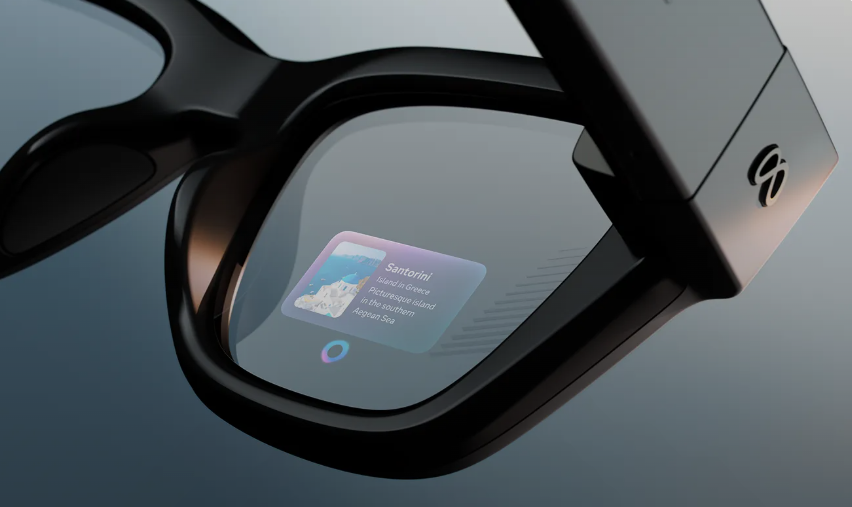
Today’s smart glasses aren’t just for taking photos or making calls. These devices are redefining the way we interact with digital information seamlessly, hands-free, and always accessible in everyday life.
Why Smart Glasses Are Popular Now
- Advances in AR Technology: AR systems have become small, efficient, and visually appealing. This means AR overlays can be realistic and useful without requiring bulky devices.
- Miniaturization of Hardware: Camera, microphone, and display technology have become so small that they fit comfortably inside normal-looking glasses.
- Social Media Integration: Snap’s Spectacles and Meta’s Ray-Ban Stories allow users to instantly capture and share photos and videos. They have become the perfect bridge between social platforms and wearable technology.
- Consumer Acceptance of Wearables: Smartwatches, earbuds, and fitness trackers have made people more comfortable with wearing technology.
- Apple’s AR Push: Rumors of Apple Vision Pro and AR glasses sparked public interest and competition, and inspired other brands to innovate.
Technology, social trends, and consumer readiness are now in perfect alignment for smartglasses.
How Smartglasses Work
Display Technology
Waveguides or micro-displays project AR images directly into your field of view.
Cameras & Sensors
Cameras help in photo and video capture, gesture recognition, and environment scanning. Sensors track head movement, orientation, and sometimes eye movement.
Audio
Bone-conduction speakers or small earbuds deliver sound without blocking ambient noise.
Connectivity
The Glasses connect to the smartphone or the internet via Bluetooth/Wi-Fi to access apps, maps, and social platforms.
Control Methods
It is possible to interact with voice commands, touch-sensitive frames, gesture recognition, or smartphone apps. Goal: Lightweight, comfortable, and functional system, which allows hands-free digital content access and is socially acceptable in public.
Key Players in Smart Glasses Market
1. Meta Ray-Ban Stories
- Built-in cameras for photos & short videos
- Audio speakers for calls & music
- Hands-free controls (touch & voice)
- Facebook & Instagram integration
- Focus: Social interaction and capturing moments discreetly
2. Snap Spectacles
- AR overlays for digital effects
- 3D cameras for AR content creation
- Snapchat integration for direct sharing
- Focus: Entertainment & creativity
3. Apple Vision Pro / AR Glasses (Coming Soon)
- High-quality spatial computing
- Hand, eye, and voice control
- Apple ecosystem integration (iPhone, iPad, Mac)
- Productivity, entertainment & communication support
- Goal: To replace or enhance screens, turning the environment into an interactive workspace.
Daily Uses & Applications
- Social Interaction & Content Creation: Capture instant photos/videos from Snap and Meta glasses. Share. AR effects enhance creativity and engagement.
- Navigation & Travel: AR overlays provide real-time directions, on sidewalks or in airports. Contextual information about landmarks is provided without looking at the phone.
- Work & Productivity: Virtual screens, reminders, and AR annotations help field workers or in-office collaboration.
- Gaming & Entertainment: AR games provide immersive experiences in streets, parks, or living rooms. Movies, notifications, and interactive content are projected directly to the eyes.
- Health & Fitness: Glasses track steps, posture, and movement. AR guides assist with workout and rehabilitation exercises.
Key Features to Consider
- Stylish Design: Comfortable and socially acceptable
- Camera & Video Capture: High-quality photos & clips
- AR Overlays: Useful real-world information projection
- Audio Integration: Music, calls, notifications without earbuds
- Gesture/Voice Control: Hands-free interaction
- Battery Life: All-day usage
Challenges Facing Smart Glasses
- Privacy Concerns: Unauthorized recording concerns
- Battery Limitations: Heavy usage quickly drains battery
- High Cost: Cutting-edge tech expensive, mainstream adoption limited
- Limited Apps: Not all software optimized for AR
- Social Acceptance: Some people don’t feel comfortable in public with “techy” glasses.
Market Trends & Adoption
- Consumer interest rising thanks to Meta, Snap and Apple
- Fashion + Technology fusion important (Ray-Ban collaborations)
- Enterprise adoption – fieldwork, warehouse management, AR training
- AR ecosystem growth – development kits and software applications
Future of Smart Glasses
- All-Day AR Experiences: Notifications, maps, reminders constantly available
- Deeper Integration: Smart homes, IoT devices, work systems
- Improved AI Assistance: Virtual assistants, translations, contextual help
- Healthcare & Safety: Real-time health monitoring & AR-assisted procedures
- Gaming Revolution: AR & mixed-reality games immersive and realistic
Impacts on Society
- Communication: Social interaction and sharing has been redefined.
- Productivity: Hands-free access and virtual collaboration will transform workplaces
- Privacy Norms: New rules required for recording/sharing
- Fashion & Tech Fusion: Glasses are becoming a style statement
- Education & Training: AR-based learning is interactive and effective
Conclusion
Smartglasses are no longer experimental gadgets. Meta, Snap, and Apple are pushing the boundaries of smartglasses, creating useful, stylish, and immersive devices.
Challenges: Privacy, cost, battery life. Potential: Enormous—the ability to redefine work, play, communication, and learning.
The comeback of smartglasses is the next stage of wearable technology, where the digital and physical worlds will seamlessly blend and information will always be accessible.