The AI Revolution: Understanding the Smart Machines Changing Our World
Look around you. From the smart assistant in your phone to the recommendations on your favorite streaming service, Artificial Intelligence (AI) is no longer a futuristic dream – it’s here, it’s now, and it’s reshaping our world at an incredible pace. We are in the midst of an “AI Revolution,” a time of rapid transformation driven by intelligent machines that are learning, adapting, and solving problems in ways we once only imagined.
But what exactly is this AI Revolution, and why should you care? Let’s break down this exciting, sometimes daunting, wave of change in simple terms.
What is Artificial Intelligence, Anyway?
At its heart, Artificial Intelligence is about making computers “smart.” It’s a branch of computer science that teaches machines to perform tasks that normally require human intelligence. Think about it like teaching a child: you give them information, they learn patterns, and then they can use that learning to make decisions or solve new problems.
Modern AI often relies on something called “Machine Learning.” This is where computers learn from vast amounts of data without being explicitly programmed for every single task. They spot trends, make predictions, and get better over time – much like how a chess player improves with every game they play. From understanding your voice to recognizing faces in photos, AI is the powerful engine behind many of the smart technologies we use daily.
The Rise of the Smart Machines: Why Now?
AI isn’t a brand-new concept; scientists have been dreaming about it for decades. So, what makes this current period an “AI Revolution”? Three main ingredients have finally come together:
- Massive Data: We live in a digital age, constantly generating mountains of data – photos, videos, text messages, online purchases, sensor readings. This “big data” acts as the fuel for AI algorithms to learn from.
- Powerful Computers: Today’s computers have incredible processing power, far beyond what was available even a decade ago. This allows them to crunch through all that data and run complex AI models quickly.
- Smarter Algorithms: AI researchers have developed increasingly sophisticated algorithms (the step-by-step instructions computers follow) that are much better at learning and making sense of data.
These three factors have created the perfect storm for AI to flourish, moving from academic labs into our homes and workplaces.
AI in Our Daily Lives: Closer Than You Think
The impact of AI is not something that will happen in the distant future; it’s already integrated into the fabric of our everyday existence. You might be using AI without even realizing it!
- Your Smartphone: Voice assistants like Siri and Google Assistant use AI to understand your commands, answer questions, and even set reminders. Facial recognition to unlock your phone or categorize photos also relies on AI.
- Online Shopping: Ever wonder how Amazon knows exactly what you might want to buy next? That’s AI analyzing your past purchases and browsing habits to suggest personalized products.
- Streaming Services: Netflix, Spotify, and YouTube use AI to recommend movies, music, and videos tailored to your tastes, keeping you engaged with content you’re likely to enjoy.
- Navigation Apps: Google Maps and Waze use AI to analyze real-time traffic data, predict delays, and suggest the fastest routes, helping you avoid jams.
- Email Spam Filters: AI algorithms work tirelessly in the background to identify and block unwanted spam emails from reaching your inbox.
These are just a few examples of how AI technology silently makes our lives more convenient, efficient, and personalized.
Transforming Industries: Beyond the Consumer
The AI Revolution extends far beyond consumer gadgets and services. Entire industries are being fundamentally reshaped by artificial intelligence:
- Healthcare: AI is assisting doctors in diagnosing diseases more accurately, from identifying anomalies in X-rays to discovering new drugs. It helps personalize treatment plans and even manages hospital logistics.
- Manufacturing: Robots powered by AI are automating tasks on factory floors, increasing efficiency, reducing errors, and improving safety.
- Finance: AI detects fraudulent transactions in milliseconds, helps banks make smarter lending decisions, and powers sophisticated trading algorithms.
- Transportation: Self-driving cars, though still evolving, use advanced AI to perceive their surroundings, navigate roads, and make driving decisions, promising safer and more efficient travel in the future.
- Agriculture: AI-powered drones and sensors monitor crop health, predict yields, and optimize irrigation, leading to more sustainable farming practices.
AI is acting as a powerful tool, amplifying human capabilities and allowing us to tackle complex challenges with unprecedented precision and speed.
The Bright Side: Benefits of the AI Revolution
The potential benefits of the AI Revolution are immense:
- Increased Efficiency and Productivity: AI can automate repetitive tasks, freeing up human workers to focus on more creative, strategic, and complex problem-solving.
- New Discoveries: In scientific research, AI can analyze vast datasets, accelerating breakthroughs in medicine, materials science, and environmental studies.
- Improved Quality of Life: From making cities smarter and more sustainable to providing personalized education and accessible healthcare, AI has the potential to enhance human well-being significantly.
- Enhanced Safety: AI can predict failures in infrastructure, monitor dangerous environments, and improve disaster response, making our world a safer place.
Addressing Concerns: Navigating the Future Responsibly
Like any powerful technology, the AI Revolution comes with its own set of challenges and ethical considerations that we must address thoughtfully:
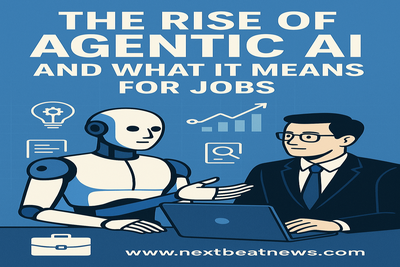
- Job Displacement: As AI automates tasks, there’s a valid concern about certain jobs becoming obsolete. The key here is not to fear technology but to embrace continuous learning and reskilling, focusing on uniquely human skills like creativity, critical thinking, and emotional intelligence.
- Ethics and Bias: AI systems learn from data. If that data contains human biases, the AI can inadvertently perpetuate or even amplify those biases. Developing “responsible AI” that is fair, transparent, and accountable is crucial.
- Privacy: AI systems often require access to large amounts of personal data. Protecting individual privacy while harnessing the power of AI is a delicate balance.
- Control and Safety: Ensuring that AI systems are developed with human values in mind and operate safely, without unintended consequences, is paramount.
The AI Revolution isn’t just about technological advancement; it’s also about societal adaptation and ethical responsibility.
Looking Ahead: Our Shared AI Future
The AI Revolution is not a destination but an ongoing journey. We are just at the beginning of understanding its full potential. In the coming years, we can expect AI to become even more integrated into our lives, leading to smarter homes, more personalized experiences, and groundbreaking solutions to global problems.
The future of AI is not something that will happen
to us, but something we will build
together. By understanding its capabilities, embracing its potential, and responsibly addressing its challenges, we can ensure that the AI Revolution benefits all of humanity, creating a smarter, more efficient, and potentially more equitable world. Get ready, because the future is now, and it’s powered by AI.
Post Views: 17